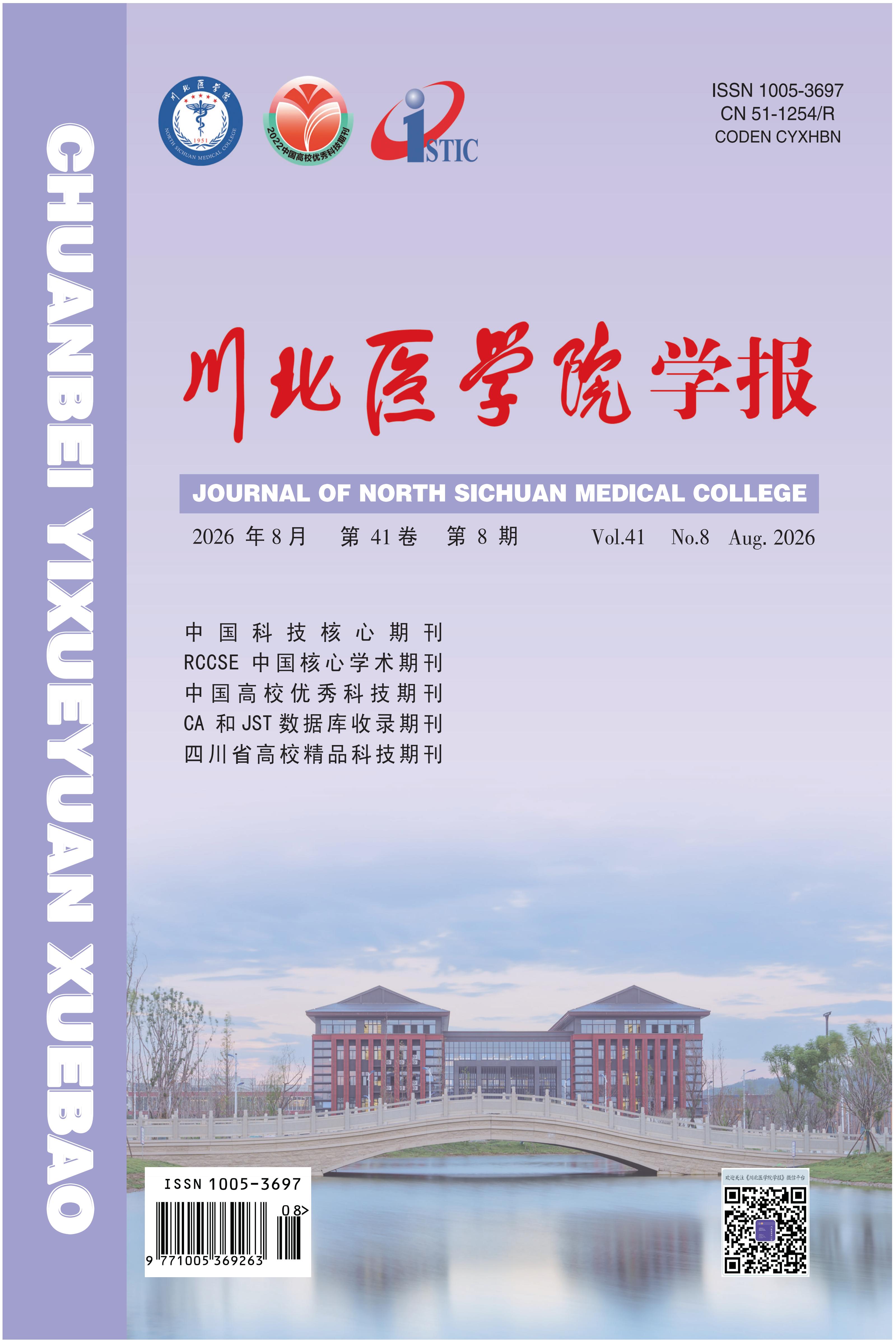
Editor in chief:Dai Rongyang
Deputy Editor-in-Chief:Li Zhi
Governed by:The Education Department of Sichuan Province
Sponsored by:North Sichuan Medical College
Phone:0817-2242637
Email:xuebaocby@126.com
ISSN1005-3697
CN51-1254/R
 NewsDownload Section
Xu Xiangyu; Xu Zhihua; Liu Hong
2026, 41(3):257-266. DOI: 10.3969/j.issn.1005-3697.2026.03.001
Abstract:Objective: To explore the role of TTYH3 gene in the occurrence and development of colorectal cancer (CRC) and its relationship with prognosis.Methods: Obtain RNA sequencing expression profiles and clinical pathological information of CRC patients from the TCGA database, R language screening for differentially expressed genes, exploring the prognostic role of TTYH3 in CRC through KM survival analysis. GO and KEGG enrichment analysis to explore the potential role of TTYH3 in CRC, MTT and colony formation experiments were conducted to investigate the effect of TTYH3 on the proliferation ability of CRC cells. Cox univariate and multivariate analysis to identify independent prognostic factors related to CRC survival, construct a nomogram to predict the survival rate of CRC 1, 3, 5 years.Results: TTYH3 was overexpressed in CRC tissues and cells (P<0.05), the overall survival rate of CRC patients with high expression of TTYH3 was lower (P<0.05), overexpression of TTYH3 could improve the proliferation ability of CRC cells, while knocking down TTYH3 expression could inhibit the proliferation ability of CRC cells. There was a statistically significant difference in TNM staging, tumor size, and lymph node metastasis between CRC patients with high and low expression of TTYH3 (P <0.05). Univariate Cox regression analysis determined that age (P=0.000), T stage (P<0.001), N stage (P<0.001), M stage (P<0.001), and TTYH3 expression (P<0.001) were correlated with prognosis. Multivariate Cox analysis showed that T stage (P=0.001), N stage (P=0.001), and TTYH3 expression (P<0.001) were independent prognostic factors related to prognosis. Construct a nomogram based on prognostic clinical factors (T and N stages), the survival calibration curve showed that the predicted overall survival rate of CRC patients at 1, 3, and 5 years by the column chart was in good agreement with the actual observation results.Conclusion: TTYH3 was associated with prognosis and played an important role in the occurrence and progression of human CRC. TTYH3 may become a new prognostic biomarker and therapeutic target for CRC.
Yu Xincheng; Yu Jinshu; Jiao Li; Liang Qi; Yin Chong
2026, 41(3):267-277. DOI: 10.3969/j.issn.1005-3697.2026.03.002
Abstract:Objective: To explore the role of TTYH3 gene in the occurrence and development of colorectal cancer (CRC) and its relationship with prognosis.Methods: Obtain RNA sequencing expression profiles and clinical pathological information of CRC patients from the TCGA database, R language screening for differentially expressed genes, exploring the prognostic role of TTYH3 in CRC through KM survival analysis. GO and KEGG enrichment analysis to explore the potential role of TTYH3 in CRC, MTT and colony formation experiments were conducted to investigate the effect of TTYH3 on the proliferation ability of CRC cells. Cox univariate and multivariate analysis to identify independent prognostic factors related to CRC survival, construct a nomogram to predict the survival rate of CRC 1, 3, 5 years.Results: TTYH3 was overexpressed in CRC tissues and cells (P<0.05), the overall survival rate of CRC patients with high expression of TTYH3 was lower (P<0.05), overexpression of TTYH3 could improve the proliferation ability of CRC cells, while knocking down TTYH3 expression could inhibit the proliferation ability of CRC cells. There was a statistically significant difference in TNM staging, tumor size, and lymph node metastasis between CRC patients with high and low expression of TTYH3 (P <0.05). Univariate Cox regression analysis determined that age (P=0.000), T stage (P<0.001), N stage (P<0.001), M stage (P<0.001), and TTYH3 expression (P<0.001) were correlated with prognosis. Multivariate Cox analysis showed that T stage (P=0.001), N stage (P=0.001), and TTYH3 expression (P<0.001) were independent prognostic factors related to prognosis. Construct a nomogram based on prognostic clinical factors (T and N stages), the survival calibration curve showed that the predicted overall survival rate of CRC patients at 1, 3, and 5 years by the column chart was in good agreement with the actual observation results.Conclusion: TTYH3 was associated with prognosis and played an important role in the occurrence and progression of human CRC. TTYH3 may become a new prognostic biomarker and therapeutic target for CRC.
2026, 41(3):278-28. DOI: 10.3969/j.issn.1005-3697.2026.03.003
Abstract:Objective: To explore the downregulation of ATP-binding cassette transporter B subfamily member 1 (ABCB1) by Tepoxalin mediated AKT/mTOR pathway in regulating the migration and apoptosis of colorectal cancer (CRC) LS1034 cells and its possible mechanisms.Methods: Public databases (GEPIA and HPA) were used to analyze the expression level and prognosis of ABCB1 in CRC, CCK-8 was used to detect cell proliferation, RT-qPCR and Western blot were used for mRNA and protein detection, flow cytometry was used for apoptosis detection, and Transwell assay was used to measure cell migration. Results: ABCB1 was highly expressed in CRC tissues (P0.05). Cell validation showed that ABCB1 was an upregulated gene in CRC. Tepoxalin inhibits ABCB1 in colorectal cancer cells and blocks the induction of proliferation, migration, and apoptosis in colorectal cancer cells. In addition, Western blot results showed that tepoxalin could inhibit AKT/mTOR signaling pathway and apoptotic signaling pathway expression.Conclusion: Tepoxalin inhibits proliferation and migration of CRC cells while inducing apoptosis by targeting ABCB1, which is mediated by ABCB1-mediated inhibition of AKT/mTOR signaling pathway.
2026, 41(3):284-288. DOI: 10.3969/j.issn.1005-3697.2026.03.004
Abstract:Objective: To explore the impact of different Axis-0.25D cylindrical lenses on visual quality in low-myopic eyes.Methods: A cross-sectional study was conducted, enrolling healthy young eyes (374 eyes) with -0.50 to -3.00D myopia and different axis orientations of -0.25 D astigmatism. A repeated-measures design was used, with spherical and sphero-cylindrical corrections applied to obtain refractive prescriptions and best-corrected visual acuity (CDVA, logMAR) for each participant. The optical quality parameters of the two correction methods were measured using a double-pass optical quality analysis system (OQAS), including Objective Scattering Index (OSI), Modulation Transfer Function cutoff (MTF cutoff), Strehl Ratio (SR), and simulated contrast visual acuity-OQAS values (OV). The results were compared within each axis orientation (WTR, ATR, OBL). Results: In 374 participants (374 eyes), except for -0.25D WTR astigmatism, both ATR and OBL astigmatism showed better CDVA with sphero-cylindrical correction (P0.05). For -0.25D ATR astigmatism, sphero-cylindrical correction showed better results in all optical parameters except SR and 9% VA (P<0.05). For -0.25D OBL astigmatism, sphero-cylindrical correction showed better results in all optical parameters except OSI, SR, and 9% VA (P<0.05).Conclusion: Low myopic eyes with -0.25D ATR or OBL astigmatism can benefit from improved optical quality and visual acuity with cylindrical lens correction.
Wang Lina; Ma Ruoxuan; Yang Lili; Zhang Xiaoshuang; Xie Yaying
2026, 41(3):289-292. DOI: 10.3969/j.issn.1005-3697.2026.03.005
Abstract:Objective: To analyze the effect of oliceridine and sufentanil on stress response and gastrointestinal motility in patients with laparoscopic total hysterectomy.Methods: The study subjects were 126 patients who underwent laparoscopic total hysterectomy, and were divided into group A and group B according to the different doses administered during anesthesia induction, with 63 cases in each group. During anesthesia induction, group A was given oliceridine, and group B was given sufentanil. The postoperative sedation status (RAMSAY sedation score), postoperative gastrointestinal motility (first exhaust and defecation time, bowel sound recovery time), stress response [serum norepinephrine (NA), adrenocorticotropic hormone (ACTH), cortisol] and occurrence of adverse reactions at 1 d after surgery were compared between the two groups.Results: Group A had shorter postoperative first exhaust time, defecation time and bowel sound recovery time compared to group B (P<0.05). RAMSAY sedation scores in group A at 12 and 24 h after surgery were higher compared to group B (P<0.05). The levels of serum NA, ACTH and cortisol in the two groups of patients were higher at 12 and 24 h after surgery than those before surgery (P<0.05), and the above levels in group A were lower than those in group B (P<0.05). Group A showed a lower total incidence rate of postoperative adverse reactions than group B (3.17% vs. 14.28%, P <0.05).Conclusion: Compared with sufentanil, oliceridine can more effectively relieve the body’s stress level in patients undergoing laparoscopic total hysterectomy, with fast recovery of postoperative gastrointestinal motility, good sedative effect and high safety.
2026, 41(3):293-297. DOI: 10.3969/j.issn.1005-3697.2026.03.006
Abstract:Objective: To investigate the efficacy of dapagliflozin combined with valsartan in the treatment of diabetic kidney disease (DKD).Methods: A total of 220 patients with DKD were divided into two groups according to different treatment options: a control group (n=107) and an observation group (n=106). The control group received valsartan monotherapy, while the observation group received dapagliflozin combined with valsartan. Both groups were treated for 12 weeks. Changes in urinary protein indicators [24-hour urinary albumin excretion (24h UAE), urinary albumin-to-creatinine ratio (ACR)], renal function [serum creatinine (Scr), blood urea nitrogen (BUN), estimated glomerular filtration rate (eGFR)], fibrosis markers [tissue inhibitor of metalloproteinase-1 (TIMP-1), transforming growth factor-β1 (TGF-β1)], and oxidative stress indicators [8-hydroxy-2'-deoxyguanosine (8-OHDG), 3-nitrotyrosine (3-NT), superoxide dismutase (SOD)] were compared between the two groups. Therapeutic efficacy was also evaluated.Results: A total of 213 patients eventually completed the trial, with 107 in the control group (3 withdrew) and 106 in the observation group (4 dropped out). After treatment, the total effective rate was higher in the observation group than that in the control group (90.57% vs. 77.57%, P<0.05). In the observation group, the 24h UAE, ACR, Scr, and BUN were lower than those in the control group (P<0.05), and the eGFR level was higher than that in the control group (P<0.05). The serum levels of TIMP-1, TGF-β1, 8-OHDG, and 3-NT in the observation group were lower than those in the control group (P<0.05), while the SOD level was higher than that in the control group (P<0.05).Conclusion: Dapagliflozin combined with valsartan inhibits oxidative stress, ameliorates renal fibrosis, and provides superior renal protection, thereby enhancing therapeutic efficacy in DKD patients.
Zhang Weimin; Xia Zelu; Liu Zhenru; Li Mengxuan; Wen Yongtian
2026, 41(3):298-302. DOI: 10.3969/j.issn.1005-3697.2026.03.007
Abstract:Objective: To analyze the influence of combination of Yiqi Yangyin Huatan Quyu method and methimazole on glucolipid metabolism and thyroid hormones levels in patients with hyperthyroidism. Methods: 196 patients with hyperthyroidism were included and categorized into routine group and combined group, with 98 cases in each group. The routine group was treated with methimazole, whereas the combined group received Yiqi Yangyin Huatan Quyu decoction combined with methimazole. Both groups were treated continuously for 1 months. The TCM symptoms scores (anterior neck enlargement, palpitations, irritability, polyphagia and polydipsia), glucolipid metabolism [2 h postprandial blood glucose (2hPG), total cholesterol (TC), low density lipoprotein cholesterol (LDL-C)] and thyroid hormones [free thyroxine T3 (FT3), free thyroxine T4 (FT4), total triiodothyronine (TT3), total thyroxine (TT4), thyroid stimulating hormone (TSH)] before and after treatment and total incidence rate of adverse drug reactions (allergic dermatitis, gastrointestinal reaction, leukopenia) during treatment were compared between both groups of patients. Results: After treatment, the scores of TCM syndromes and levels of 2hPG, FT3, FT4, TT3 and TT4 in the two groups were decreased, and the combined group had lower scores of TCM syndromes such as palpitations, irritability, and polyphagia and polydipsia as well as lower FT3 and TT3 levels (P0.05). The levels of TC, LDL-C and TSH were increased in both groups, and the levels in combined group were higher (P0.05). Conclusion: Yiqi Yangyin Huatan Quyu method combined with methimazole has an exact effect in the treatment of patients with hyperthyroidism. Additionally, it can relieve clinical symptoms, and improve glucolipid metabolism and thyroid hormones, and it will not increase the risk of adverse drug reactions.
Xiao Ling; Wu Cuihong; Wong Jing
2026, 41(3):303-307. DOI: 10.3969/j.issn.1005-3697.2026.03.008
Abstract:Objective: To investigate the efficacy of budesonide/glycopyrronium bromide/formoterol fumarate and budesonide/formoterol in treating patients with asthma complicated with chronic obstructive pulmonary disease (COPD). Methods: A total of 86 patients with asthma and COPD were selected and divided into group A and B according to different treatment methods, with 43 cases in each group. Patients in group A were treated with budesonide/formoterol, while those in group B were treated with budesonide/glycopyrronium bromide/formoterol fumarate, both groups were treated for 3 months. The clinical efficacy, lung function [forced expiratory volume in one second (FEV1), peak expiratory flow (PEF), FEV1/forced vital capacity ratio (FEV1/FVC)], blood gas indicators [arterial partial pressure of carbon dioxide (PaCO2), arterial partial pressure of oxygen (PaO2), and arterial oxygen saturation (SaO2)], inflammatory indicators [high-sensitivity C-reactive protein (hs-CRP), interleukin 17 (IL-17), matrix metalloproteinase-9 (MMP-9) levels], biochemical indicators [fractional exhaled nitric oxide (FeNO) and total immunoglobulin E (IgE) levels], and incidence of adverse reactions were compared between the two groups. Results: The total effective rate, FEV1, PaO2, FEV1/FVC, and SaO2, in group B were higher than those in group A, while PEF, hs-CRP, PaCO2, IL-17, MMP-9, FeNO, and total IgE levels were lower than those in group A (P0.05). Conclusion: Compared with budesonide/formoterol, budesonide/glycopyrronium bromide/formoterol fumarate is more effective in treating asthma complicated with COPD. It can help improve pulmonary function, regulate FeNO and IgE levels, and relieve inflammatory response, with good safety.
Shi Weifa; Shi Lingling; Ding Libing; Zhang Jianping; Su Ruilong; Guo Zhimin
2026, 41(3):308-311. DOI: 10.3969/j.issn.1005-3697.2026.03.009
Abstract:Objective: To analyze the risk factors affecting the poor prognosis of handVibrio vulnificus infection and to construct a relevant prediction model, so as to provide more guidance for timely and effective treatment in the future. Methods: The data of 80 patients with handVibrio vulnificus infection were retrospectively analyzed. According to the prognosis, they were divided into good prognosis group (n=48) and poor prognosis group (n=32). The independent risk factors of prognosis were screened by univariate and multivariate Logistic regression analysis. Based on the above factors, a regression prediction model was constructed and the clinical predictive efficacy was analyzed. Results: The proportion of patients with underlying diseases (liver function injury, diabetes), the time from injury to the first application of antibiotics, and the time from treatment to operation in the good prognosis group were lower than those in the poor prognosis group (P<0.05). Multivariate Logistic regression analysis showed that combined underlying diseases (liver function injury, diabetes), the time from injury to the first use of antibiotics, and the time from treatment to surgery were risk factors for poor prognosis of handV. vulnificus infection (P<0.05). The AUC of the nomogram model for predicting poor prognosis of handV. vulnificus infection was 0.782 (95% CI: 0.675~0.8, P<0.05), with a sensitivity of 0.750 and a specificity of 0.812. Conclusion: Patients withVibrio vulnificus infection were affected by underlying diseases (liver function injury, diabetes), the time from injury to the first application of antibiotics, and the time from treatment to surgery. The nomogram and ROC curve were drawn, which had high predictive efficiency and accuracy, and had a guiding role in early identification of high-risk patient groups.
Shao ShuJie; Gao JiaHui; Zou GuoYou
2026, 41(3):312-315. DOI: 10.3969/j.issn.1005-3697.2026.03.010
Abstract:Objective: To explore the application of platelet-rich plasma (PRP) combined with betamethasone after rotator cuff injury repair and the impact on shoulder range of motion. Methods: A total of 116 patients who underwent rotator cuff injury repair were selected. They were divided into the control group (n=58, receiving betamethasone treatment) and the observation group (n=58, receiving PRP combined with betamethasone treatment) according to different treatment methods. The pain level [Visual Analog Scale (VAS) scores], shoulder joint range of motion (anteflexion and abduction angles) and function [Constant-Murley Shoulder Score (CMS)], inflammatory factors [tumor necrosis factor-α (TNF-α), interleukin-6 (IL-6), transforming growth factor-β1 (TGF-β1)] and incidence of adverse reactions were compared between the two groups. Results: At 1, 3, and 6 months postoperatively, the observation group showed a decrease in VAS scores, an increase in shoulder ranges of anteflexion and abduction, and a rise in CMS compared to the control group (P0.05). Conclusion: PRP combined with betamethasone can relieve pain, improve shoulder range of motion, and alleviate inflammatory response in patients after rotator cuff injury repair, with high safety.
Chen Xiaoqiong; Wei Hongtao; Niu Yuan; Duan Guanghui
2026, 41(3):316-319+334. DOI: 10.3969/j.issn.1005-3697.2026.03.011
Abstract:Objective: To explore the application value of oxcarbazepine and levetiracetam in patients with focal epilepsy and its effect on serum miR-23a-3p and miR-146a levels. Methods: A total of 120 patients with focal epilepsy were divided into the combination group (treated with oxcarbazepine combined with levetiracetam, n=60) and the conventional group (treated with oxcarbazepine alone, n=60) according to the different treatment methods. Both groups of patients continued treatment until the end of the cycle. The efficacy, nerve injury markers, serum miR-23a-3p and miR-146a levels, abnormal discharges in the electroencephalogram, prognosis, and safety were compared between the two groups. Results: After treatment, the total effective rate in the combination group was higher than that in the conventional group (P<0.05). After treatment, both groups showed increases in brain-derived neurotrophic factor (BDNF) (P<0.05), and the combination group was higher than the conventional group (P<0.05). The levels of S100B and NSE were both reduced (P<0.05), and the combination group was lower than the conventional group (P<0.05). The QOLIE-31 score and MoCA score both increased (P<0.05), and the combination group was higher than the conventional group (P<0.05). Epileptiform discharges and the number of involved leads, serum miR-23a-3p and miR-146a levels in both groups decreased compared to those before treatment (P<0.05). Meanwhile, these parameters in the combination group were lower than those in the conventional group (P<0.05). Conclusion: Combined use of oxcarbazepine and levetiracetam in the treatment of focal epilepsy can improve clinical efficacy, and is superior to conventional treatment in improving abnormal discharges in the electroencephalogram and prognosis. The mechanism may be related to synergistic downregulation of serum miR-23a-3p and miR-146a levels and the promotion of neural restoration.
Zhao Yongfeng; Yang Yachai; Li Liu; Deng Qi; Chen Qinc; Wang Shuo
2026, 41(3):320-324. DOI: 10.3969/j.issn.1005-3697.2026.03.012
Abstract:Objective: To explore the extent of myocardial injury and the impact on myocardial perfusion in patients with severe aortic stenosis undergoing transcatheter aortic valve replacement (TAVR) and surgical aortic valve replacement (SAVR). Methods: A retrospective analysis was conducted on 77 patients with severe aortic valve stenosis and no significant coronary artery stenosis who underwent TAVR and SAVR surgeries and completed a 1-month follow-up. Myocardial injury indicators were observed: creatine kinase MB (CK-MB) and troponin I (cTnI) before surgery and on postoperative day 1, 3, 7, and 1 month. Myocardial perfusion indicators were also observed: total myocardial perfusion score, total number of myocardial ischemic segments, left ventricular ejection fraction (LVEF), left ventricular end-diastolic volume (LVEDV), and abnormal perfusion area under the 17-segment myocardial perfusion distribution using rest dynamic single-photon emission computed tomography (D-SPECT) + regadenoson stress D-SPECT before and 1 month after surgery. The above indicators were used to evaluate the impact of TAVR and SAVR on myocardial injury and myocardial perfusion. Results: Myocardial injury indicators: Both cTnI and CK-MB in the two groups of patients showed significant changes over time, reaching their peak values on postoperative day 1, and the TAVR group was lower than the SAVR group (P<0.05). Myocardial perfusion indicators: 1 month post-operation, both groups showed significant improvement in the number of myocardial ischemic segments, total myocardial perfusion score, and abnormal perfusion area compared to pre-operative levels (P<0.05). The TAVR group demonstrated better results in terms of total myocardial perfusion score under rest and stress conditions, as well as abnormal perfusion area, compared to the SAVR group (P<0.05). Conclusion: Both TAVR and SAVR can improve myocardial perfusion levels, TAVR causes less myocardial damage during surgery and offers superior myocardial perfusion improvement 1 month post-surgery compared to SAVR.
Amina Dawuti; Xie Jing; Yao Zhifeng; Muniriding Yiming; Khanzarem Tohti
2026, 41(3):325-329. DOI: 10.3969/j.issn.1005-3697.2026.03.013
Abstract:Objective: To investigate the correlation between different levels of plasma renin activity (PRA) and left ventricular hypertrophy (LVH) in patients with essential hypertension (EH). Methods: A total of 385 EH patients with LVH were enrolled as study subjects. Based on PRA levels, patients were divided into three groups: the low-renin group (PRA 4.50 ng/mL/h, n=70). General clinical data, echocardiographic parameters, and biochemical indicators were compared between the groups, the relationship between different PRA levels and LVH in EH patients were analyzed by Pearson correlation analysis. Results: The 24-hour mean systolic blood pressure (24hSBP), diastolic blood pressure (24hDBP), and levels of aldosterone and troponin T in the high-renin group were higher than those in the low-renin and normal-renin groups (P<0.05). The high-renin group exhibited the highest values for interventricular septal thickness (IVST), left ventricular posterior wall thickness (LVPWT), and left ventricular mass index (LVMI), along with the most impaired left ventricular diastolic function (E peak, E/A ratio) (P<0.05). Pearson correlation analysis revealed that PRA levels were positively correlated with LVMI, IVST, LVPWT, and A peak velocity (P<0.05), and negatively correlated with E peak velocity and E/A ratio (P<0.05). Conclusion: Elevated PRA in EH patients shows a correlation with the severity of LVH and the decline in left ventricular diastolic function, and can serve as an important clinical indicator for assessing the risk of cardiac remodeling in hypertensive patients.
Lou Wenyuan; Gui Lanlan; Wang Taina; Xu Lihua; Cheng Huidong
2026, 41(3):330-334. DOI: 10.3969/j.issn.1005-3697.2026.03.014
Abstract:Objective: To evaluate the clinical efficacy of Pegmolesatide and its protective effect on myocardial function in patients undergoing peritoneal dialysis with concomitant chronic renal anaemia. Methods: A total of 80 patients with chronic renal anaemia receiving peritoneal dialysis treatment were enrolled in this study. They were divided into an observation group (n=40) and a control group (n=40) according to different treatment methods. The observation group received Pegmolesatide, whereas the control group was treated with erythropoietin. After a 12-week treatment period, the nutritional status indicators [haemoglobin (Hb), haematocrit (Hct), and red blood cell count (RBC)], iron metabolism parameters [serum ferritin (SF) and transferrin saturation (TSAT). and soluble transferrin receptor (sTfR)], myocardial injury markers [Cardiac troponin I (cTnI), lactate dehydrogenase (LDH), and creatine kinase (CK)], oxidative stress-related indicators [Serum superoxide dismutase (SOD) and malondialdehyde (MDA)], and the incidence of cardiovascular events were compared between the two groups. Results: Following treatment, both groups demonstrated increased in Hb, Hct, and RBC (P0.05). The levels of SF and TSAT were elevated, while sTfR levels were reduced in both groups compared to pre-treatment values (P0.05). cTnI, LDH, and CK levels were lower after treatment in both groups compared to pre-treatment levels (P<0.05), with the observation group exhibiting lower values than the control group (P<0.05). SOD levels increased, while MDA levels decreased in both groups after treatment (P<0.05). The observation group showed higher SOD levels and lower MDA levels than the control group (P<0.05). The total incidence of cardiovascular events was lower in the observation group than in the control group (10.00% vs. 27.50%, P<0.05). Conclusion: In patients undergoing peritoneal dialysis with chronic renal anaemia, Pegmolesatide demonstrates comparable efficacy to erythropoietin in correcting anaemia and improving iron metabolism. However, Pegmolesatide shows superior benefits in reducing myocardial injury, alleviating oxidative stress, and lowering the risk of cardiovascular events.
2026, 41(3):335-338. DOI: 10.3969/j.issn.1005-3697.2026.03.015
Abstract:Objective: To explore the effectiveness of combining quadratus lumborum block (QLB) with butorphanol for patient-controlled intravenous analgesia (PCIA) in managing pain after cesarean delivery, and its impact on postoperative inflammation and the quality of recovery. Methods: A total of 98 parturients were divided into control group and QLB group according to different anesthesia methods, with 49 cases in each group. Both groups were given combined spinal-epidural anesthesia. After operation, the control group was given butorphanol PCIA, and the QLB group was given bilateral QLB (0.3% ropivacaine 20 mL injection) on the basis of the control group. The visual analogue scale (VAS) score of pain was recorded from 4 to 48 h after operation. The use of PCIA at 24 h after operation was recorded. The levels of serum interleukin-6 (IL-6) and tumor necrosis factor-α (TNF-α) were measured before and 24 hours after operation. The postoperative recovery and adverse reactions were compared. Results: After surgery, the VAS scores in the QLB group were lower than those in the control group at 2~24 hours (P<0.05). Compared with the control group, the first time of pressing PCIA pump in the QLB group was delayed (P<0.05), and the number of effective pressing times and the dosage of butorphanol were reduced (P<0.05). 24 hours after surgery, the serum levels of IL-6 and TNF-α in the QLB group were lower than those in the control group (P<0.05). Compared with the control group, the first anal exhaust time of the QLB group was earlier (P < 0.05), the postoperative hospital stay was shorter (P<0.05), the QoR-40 score was higher (P<0.05), and the incidence of adverse reactions was lower (P<0.05). Conclusion: QLB combined with butorphanol can improve the analgesic effect after cesarean section, reduce postoperative pain, inhibit inflammation, and promote postoperative recovery quality.
2026, 41(3):339-342+364. DOI: 10.3969/j.issn.1005-3697.2026.03.016
Abstract:Objective: To investigate the effects of different nerve block techniques on postoperative pain control and functional recovery in patients following anterior cruciate ligament reconstruction (ACLR). Methods: 153 patients scheduled for unilateral arthroscopic ACLR were selected. According to the different intervention methods, they were divided into group A (sciatic-femoral nerve block), group B (sciatic-adductor canal block), and group C (sciatic-femoral-obturator nerve block), with 51 cases in each group. The Visual Analog Scale (VAS) scores, quadriceps femoris muscle strength, joint function, and adverse reactions were compared among the groups. Results: At 4, 8, and 12 h postoperatively, VAS scores in resting state and during passive movement in group C were all lower than those in group A and group B (P<0.05), and the quadriceps femoris muscle strength of group B was greater than that of group A and group C (P<0.05). At 72 h postoperatively, the Hospital for Special Surgery (HSS) knee score in group B was higher than that in group A and that in group C. The time to active straight leg raising and passive knee flexion to 90° was shorter than group A and group C (P<0.05). There was no statistically significant difference in the incidence of adverse reactions among the three groups (P>0.05). Conclusion: Adopting sciatic-femoral-obturator nerve block in arthroscopic ACLR can achieve good early analgesic effect, while sciatic+adductor canal block is more conducive to muscle strength and joint function re
Wang Yan; Shi Zhengxian; Zheng Guojun
2026, 41(3):343-346. DOI: 10.3969/j.issn.1005-3697.2026.03.017
Abstract:Objective: To investigate the efficacy and safety of Azelastine-Fluticasone Nasal Spray in the treatment of patients with Allergic Rhinitis (AR). Methods: A total of 80 AR patients were selected and assigned to either the observation group (n=40) or the control group (n=40) according to different treatment methods. Patients in the control group received Mometasone Furoate treatment, while those in the observation group received Azelastine-Fluticasone Nasal Spray treatment. After 4 weeks of continuous treatment, nasal physiological function, immune function, sleep quality, quality of life, and the incidence of adverse reactions were compared between the two groups. Results: After 4 weeks of treatment, compared with the control group, the total clinical effective rate in the observation group was higher (P < 0.05). Nasal resistance in the observation group was lower (P<0.05), while the nasal ventilation area and ciliary movement rate were higher (P<0.05). Compared with the control group, the observation group exhibited higher percentages of CD4+ T cells and a higher CD4+/CD8+T cell ratio (P<0.05), along with lower percentages of CD8+T cells and reduced serum levels of immunoglobulin E (IgE), interleukin-4 (IL-4), and interleukin-1β (IL-1β). The Pittsburgh Sleep Quality Index (PSQI) and Rhinoconjunctivitis Quality of Life Questionnaire (RQLQ) scores in the observation group were lower than those in the control group (P<0.05). During the treatment period, there was no statistically significant difference in the incidence of adverse reactions between the two groups (P>0.05). Conclusion: Compared with Mometasone Furoate monotherapy, Azelastine-Fluticasone Nasal Spray can improve the total clinical effective rate in AR patients, and shows superior benefits in improving nasal physiological function, regulating immune function, enhancing sleep and quality of life, without increasing the risk of adverse reactions.
Wang Qi; Sun Xingxing; Cao Rongyuan; Han Cuimin; Li Peng; Wang Xun; Wang Yilian
2026, 41(3):347-351. DOI: 10.3969/j.issn.1005-3697.2026.03.018
Abstract:Objective: To explore the evaluation value of plasma fibrinogen (FIB) and phenylacetylglutamine (PAGln) for cardiogenic cerebral embolism (CCE) in non-valvular atrial fibrillation (NVAF). Methods: A total of 132 patients with NVAF were divided into CCE group (n=50) and non-CCE group (n=82) according to the occurrence of CCE. A healthy control group (n=50) was also set up. The baseline data and levels of plasma FIB and PAGln in the three groups were compared, and their correlation with clinical indexes was analyzed. Logistic regression analysis was used to identify the risk factors that affect the occurrence of CCE, and ROC curves were used to evaluate the predictive power of these factors on CCE. Results: FIB, PAGln, CHA?DS?-VASc score, NT-proBNP, D-dimer, Hcy, LAD and LAVI in CCE group were higher than those in non-CCE group and control group (P<0.05). There was a positive correlation between plasma PAGln levels and FIB in 132 patients with NVAF (P<0.05). Plasma PAGln and FIB were positively correlated with CHA?DS?-VASc score, NT-proBNP, D-dimer, Hcy, LAD, and LAVI (P<0.05). The increased PAGln, FIB and LAD were all independent risk factors of CCE (P<0.05). AUC values of FIB and PAGln for predicting CCE were 0.855 and 0.889, respectively. AUC, sensitivity and specificity of combined detection were 0.901, 82.00% and 89.02%, respectively (P < 0.05). Conclusion: The levels of plasma FIB and PAGln are increased in patients with NVAF and CCE. Combined detection of the two indexes has higher predictive value in CCE, which is conducive to evaluation of early clinical risk and intervention.
Wen Yan; Li Jianghua; Wang Yue; Chen Jialin; Jiao Jingjing
2026, 41(3):352-355. DOI: 10.3969/j.issn.1005-3697.2026.03.019
Abstract:Objective: To evaluate the clinical efficacy of cranial electrotherapy stimulation (CES) as an adjuvant therapy for Alzheimer's disease (AD). Methods: A total of 120 AD patients were allocated into two groups according to different treatment methods, 60 cases in each group. The control group was treated with Donepezil treatment, and the observation group was treated with CES combined with Donepezil. The treatment course for both groups was 8 weeks. Assessments were conducted before and after treatment using a battery of standardized scales, including the Mini-Mental State Examination (MMSE), the Alzheimer's Disease Assessment Scale-Cognitive Subscale (ADAS-Cog), the Behavioral Pathology in Alzheimer's Disease Rating Scale (BEHAVE-AD), and the Activities of Daily Living (ADL) scale, to evaluate cognitive function, behavioral and psychological symptoms, and daily living activities, respectively. Serum levels of β-amyloid 1-42 (Aβ1-42), phosphorylated tau protein (P-tau), and brain-derived neurotrophic factor (BDNF) were also measured and compared between the two groups. Results: The total effective rate in the observation group was higher than that in the control group (88.33% vs. 73.33%, P<0.05). Post-treatment, the scores on the ADAS-Cog and BEHAVE-AD scales, and serum levels of Aβ1-42 and P-tau in observation group were lower than those in the control group (P<0.05), and the scores on the MMSE, ADL scales, and BDNF levels were higher than those in the control group (P<0.05). Conclusion: Adjunctive use of CES in AD treatment can enhance cognitive function and improve overall clinical efficacy. The underlying mechanism may be associated with the modulation of serum Aβ1-42, P-tau, and BDNF levels.
Wang Jinzhu; Li Shuai; Xu Hanxin; Zhao Hongfang
2026, 41(3):356-359. DOI: 10.3969/j.issn.1005-3697.2026.03.020
Abstract:Objective: To investigate the effect of Clinpro? XT Varnish on enamel hardness and enamel demineralization and remineralization during orthodontic treatment. Methods: 27 patients with permanent dentition malocclusion who needed fixed orthodontic treatment were selected. They were divided into control group (fluoride varnish, n=12) and observation group (Clinpro? XT Varnish, n = 15) according to the treatment of tooth surface. The enamel hardness, enamel demineralization index (EDI) and incidence of demineralization were compared between the two groups. Results: The enamel hardness of the two groups increased with time. The enamel hardness of the observation group at 3 months and 6 months after intervention was higher than that before intervention (P<0.05). The enamel hardness of the observation group at 6 months after intervention was higher than that of the control group (P<0.05). The EDI values of the observation group and the control group showed a downward trend with time (P<0.05). At 6 months after intervention, the EDI value in the observation group was lower than that before intervention, 3 months after intervention and in the control group (P<0.05). Additionally, the incidence of enamel demineralization was lower in the observation group than in the control group (P<0.05). Conclusion: Clinpro? XT Varnish can improve the hardness of early demineralized enamel and reduce the recurrence of enamel demineralization, which can replace the intervention of infiltration resin in enamel demineralization during orthodontic treatment.
Jiang Su; Li Wen; Li Xin; Guo Shiliang
2026, 41(3):360-364. DOI: 10.3969/j.issn.1005-3697.2026.03.021
Abstract:Objective: To explore the influence of screw conveyor and simple use of conveyor head to transport iRoot SP sealant on root canal filling effect. Methods: The clinical data of 102 patients (194 teeth) with root canal filling of maxillary premolars were retrospectively analyzed. According to the filling methods, the patients were divided into observation group (55 cases, 99 teeth, screw conveyor filling) and control group (47 cases, 95 teeth, simple use of conveyor head filling). The root canal filling time and root canal filling quality were compared between the two groups. Visual analogue scale (VAS) was used to compare the pain status in the two groups immediately after filling and at 1 week, 1 month and 2 months after filling. The differences in periodontal indexes [periodontal probing depth (PD), probing bleeding index (PBI), plaque index (PI)] were compared, and the complications were recorded. Results: The root canal filling time in observation group was shorter than that in control group [(17.25±2.16) min vs. (20.58±3.02) min, P<0.05], and the excellent and good rate of filling was higher than that in control group (89.90% vs. 78.95%, P<0.05). There was no difference in VAS score between the two groups immediately after filling (P>0.05). At each time point after filling, the VAS score in observation group was lower than that in control group (P < 0.05). After treatment, the periodontal indexes in the two groups were improved, but there were no differences between groups (P>0.05), and no differences were observed in the incidence rates of complications (P>0.05). Conclusion: Compared with simple use of conveyor head, screw conveyor can better shorten the filling time, improve the quality, and relieve the postoperative pain. Both methods are beneficial to periodontal health, with safety.
2026, 41(3):365-369. DOI: 10.3969/j.issn.1005-3697.2026.03.022
Abstract:Objective: To explore the clinical curative effect of Bushen Zhuyu Decoction combined with thunder fire moxibustion in the elderly with osteoporotic low back pain. Methods: A total of 116 seniors experiencing lower back pain due to osteoporosis were selected and divided into control group (routine western medicine) and observation group (Bushen Zhuyu Decoction combined with thunder fire moxibustion on basis of control group), with 58 cases in each group. 1 treatment course lasts two weeks, with a total of 6 consecutive courses required. The clinical curative effect, scores of TCM syndromes, bone mineral density, severity of low back pain, dysfunction degree and 25-(OH)D3 levels were compared between the two groups. Results: After 3 courses of treatment, total clinical effective rate of observation group was higher than that of control group (94.83% vs. 81.03%, P<0.05). After treatment, the scores of traditional Chinese medicine syndrome, degree of functional impairment, visual analog score (VAS), bone density, and 25-(OH)D3 improved in both groups. Compared with control group, the observation group had lower TCM syndrome scores, functional impairment levels, and visual analog scores after two weeks of treatment and at the end of course (P<0.05), while BMD, 25-(OH)D3 were higher (P<0.05). Conclusion: On basis of routine western medicine, Bushen Zhuyu Decoction combined with thunder fire moxibustion can increase clinical response rate, reduce scores of TCM syndromes, improve BMD, alleviate low back pain and pain-induced dysfunction, and improve bone metabolism indexes.
Feng Tiantian; Tang Nenghuan; Zhang Chengju; Zeng Yuhua
2026, 41(3):370-374. DOI: 10.3969/j.issn.1005-3697.2026.03.023
Abstract:Objective: To explore the correlation between preoperative peripheral blood inflammatory markers and pathological features in uterine cervical non-squamous cell carcinoma (UCNS) patients. Methods: 123 UCNS patients who underwent cervical cancer radical surgery and pelvic lymph node dissection were selected as the research subjects. They were divided into LVSI positive group (n = 13) and LVSI negative group (n = 110) based on the presence or absence of lymphovascular space invasion (LVSI), and according to the presence or absence of lymph node metastasis (LNM), they were divided into LNM positive group (n=20) and LNM negative group (n=103). Univariate and multivariate Logistic regression analysis were used to evaluate the correlation between neutrophil to lymphocyte ratio (NLR), platelet to lymphocyte ratio (PLR), lymphocyte to monocyte ratio (LMR), systemic immune inflammation index (SII), and systemic immune response index (SIRI) with clinical pathological features such as LVSI and LNM. Receiver operating characteristic (ROC) curve analysis was used to determine the optimal cut-off values for each peripheral blood inflammatory marker, which were then used to categorize patients into high and low inflammatory marker groups. The log-rank test was conducted to compare differences in Disease-Free Survival (DFS) between these groups. The Cox proportional hazards model was employed to assess the impact of preoperative inflammatory markers on DFS. Results: An elevated preoperative LMR level was identified as an independent protective factor for LVSI (OR=0.566, 95% CI: 0.367~0.873, P=0.010), while a higher preoperative FIGO stage was an independent risk factor for LVSI (OR=4.875, 95% CI: 1.334~17.820, P=0.017). ROC curve analysis demonstrated that the preoperative LMR level had a certain accuracy in predicting LVSI in patients with UCNS (AUC=0.750). A statistically significant difference was observed in preoperative LMR levels between the lymph node-positive and lymph node-negative groups of patients with UCNS (P=0.048). Kaplan-Meier survival analysis indicated that the DFS of the high NLR, high SII, and high SIRI groups was shorter than that of the low-level groups (P<0.05). Univariate Cox regression analysis showed that deep stromal invasion (>1/2), high NLR, high SII, and high SIRI were risk factors affecting DFS (P<0.05). Multivariate analysis further confirmed that deep stromal invasion (HR=5.240, 95% CI: 1.144~24.004, P=0.033) and high SIRI (HR=5.545, 95% CI: 1.746~17.613, P=0.004) were independently associated with shorter DFS (P<0.05). Conclusion: Preoperative lower LMR and higher FIGO stage are independent risk factors for LVSI in patients with UCNS. Additionally, a high SIRI and deep stromal invasion are significantly associated with shorter DFS in UCNS patients.
2026, 41(3):375-379. DOI: 10.3969/j.issn.1005-3697.2026.03.024
Abstract:Objective: To explore the effect of dignity therapy combined with family narrative therapy in palliative care for terminal cancer patients. Methods: A total of 120 terminal cancer patients receiving palliative care were selected as the study subjects. According to different care methods, they were divided into an intervention group (n=60) and a control group (n=60). The control group received standard palliative care, while the intervention group received dignity therapy combined with family narrative therapy in addition to standard care, over a 4-week intervention period. Pain levels, death attitudes, sleep quality, and quality of life were assessed and compared between the two groups before and after the intervention. Results: After 4 weeks of intervention, scores in the American Pain Society Patient Outcome Questionnaire-Revised (APS-POQ-R) dimensions of pain intensity, pain beliefs, and impact of pain on life were lower in the intervention group compared to the control group (P<0.05), while the pain control satisfaction score was higher (P<0.05). In the Death Attitude Profile-Revised (DAP-R), scores for fear of death and death avoidance were lower in the intervention group (P < 0.05), whereas scores for natural acceptance, approach acceptance, and escape acceptance were higher (P < 0.05). The intervention group also showed lower scores in the Pittsburgh Sleep Quality Index (PSQI) dimensions of sleep quality, sleep latency, sleep duration, sleep efficiency, sleep disturbances, daytime dysfunction, and total PSQI score (P < 0.05). Furthermore, scores in the World Health Organization Quality of Life-BREF (WHOQOL-BREF) domains of physical health, psychological health, social relationships, and environment were higher in the intervention group (P<0.05). Conclusion: The application of dignity therapy combined with family narrative therapy in palliative care for terminal cancer patients can effectively alleviate pain levels, improve attitudes towards death, and enhance both sleep quality and overall quality of life.
Dai Rongtao; Zhong Chunyan; Huang Qin; Du Jingwei
2026, 41(3):380-381. DOI: 10.3969/j.issn.1005-3697.2026.03.025
Abstract:Pleomorphic adenoma (PA) is the most common benign tumor of the salivary gland, occurring approximately 80% in the parotid gland, 10% in the submandibular gland, and 10% in the small salivary gland or sublingual gland. Ectopic PA is relatively rare and can exist in soft tissues of the neck, lymph nodes, tongue, mandible, pituitary gland, mastoid bone, thyroid gland, parathyroid gland, nasal subcutaneous layer, and skin of the external auditory canal. There are very few reports of nasal root PA, and there is often no follow-up data on recurrence. In this case, the patient's nasal root PA has recurred multiple times, and there was no recurrence after the third complete mass resection, which is of great clinical significance.
Yang Bo; Miao Xu; Zhang Yuling
2026, 41(3):382-384. DOI: 10.3969/j.issn.1005-3697.2026.03.026
Abstract:Chronic granulomatous disease (CGD) is a rare primary immunodeficiency and monogenic inherited disease, first reported in 1959. Initially believed to have only one X-linked inheritance pattern (XR), it was discovered in females in 1968 as an autosomal recessive (AR) form. It has been found that genetic patterns can be roughly divided into X-linked recessive inheritance with protein gp91phox deficiency and autosomal recessive inheritance with p47Phox deficiency as the main cause. Clinical manifestations include recurrent severe bacterial or fungal infections and excessive inflammatory diseases, which affect the growth and development, quality of life, and even threaten the lives of sick children.
Editor in chief:Dai Rongyang
Deputy Editor-in-Chief:Li Zhi
Governed by:The Education Department of Sichuan Province
Sponsored by:North Sichuan Medical College
Phone:0817-2242637
Email:xuebaocby@126.com
ISSN1005-3697
CN51-1254/R
NewsDownload Section External Links