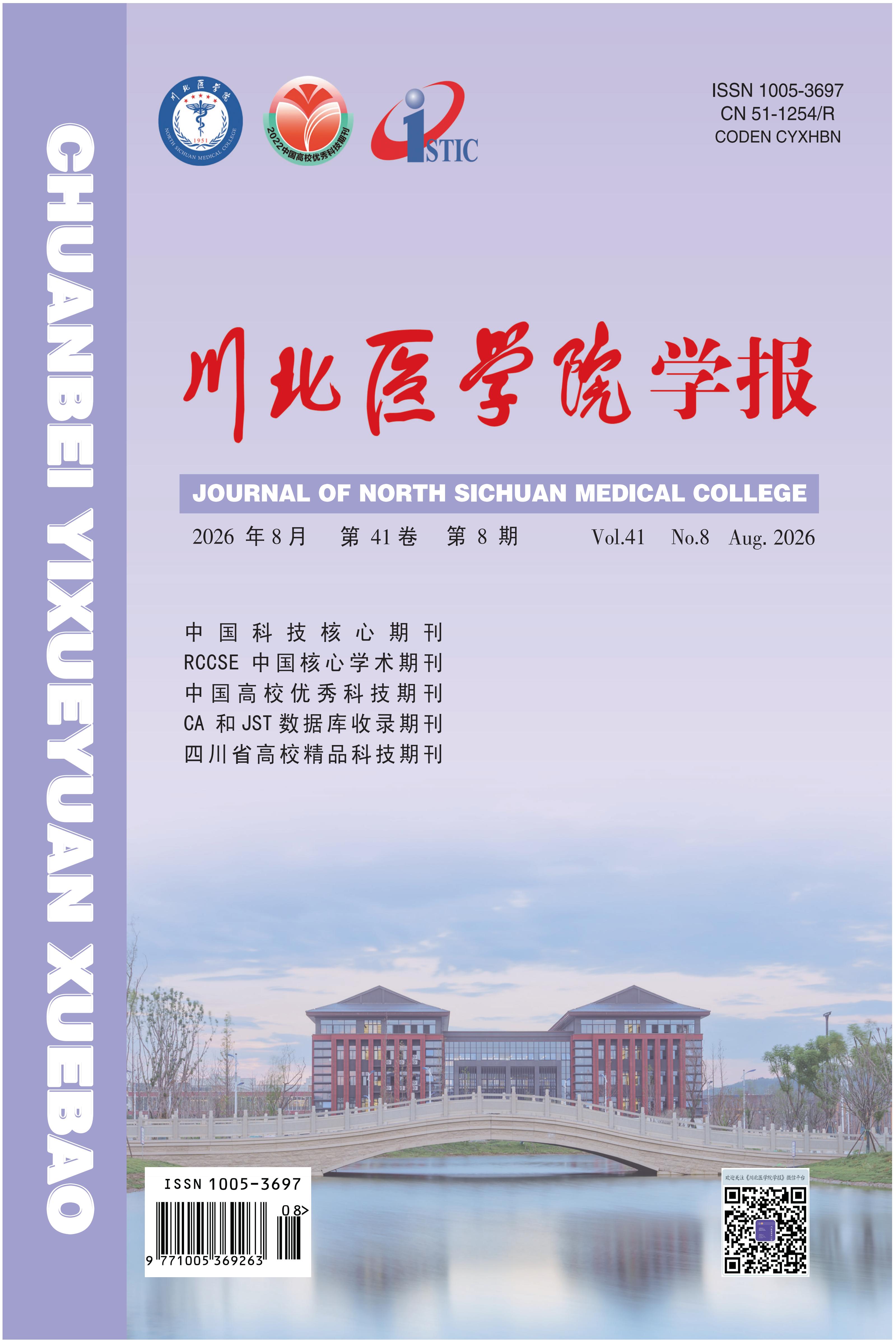
Editor in chief:Dai Rongyang
Deputy Editor-in-Chief:Li Zhi
Governed by:The Education Department of Sichuan Province
Sponsored by:North Sichuan Medical College
Phone:0817-2242637
Email:xuebaocby@126.com
ISSN1005-3697
CN51-1254/R
 NewsDownload Section
Zhou Xuewen; Tang Sheng-an; Zhang Jing; Liu Linfeng; Chen Wei; Yu Xiaoqin; Jiao Li; Liang Qi
2026, 41(8):897-907. DOI: 10.3969/j.issn.1005-3697.2026.08.001
Abstract:Objective: To investigate the therapeutic effects of friedelin in the treatment of osteoporosis, with a focus on its regulatory role in osteogenic differentiation and bone metabolism. Methods: CCK-8, ALP staining, ARS staining, and RT-qPCR were used to detect the effect of Friedelin on the cell activity and osteogenic differentiation of human mesenchymal stem cells (hMSCs). Network pharmacology, GO/KEGG enrichment analysis, molecular docking, and luciferase reporter assay were employed to explore its molecular mechanism. C57BL/6 mice and ovariectomized (OVX) mouse models were used to evaluate its in vivo biosafety and therapeutic effect. Results: Friedelin had no obvious cytotoxicity on hMSCs, and its efficacy in promoting osteogenic differentiation was superior to that of risedronate sodium (P<0.05). 52 common targets of Friedelin and osteoporosis were screened out, with 6 key targets including INS, EGFR, EGR1, PTGS2, CYP3A4, and CYP19A1, among which CYP19A1 had the most stable binding with Friedelin. Friedelin could activate transcription factors such as RUNX2, and its targets were enriched in prolactin, FoxO and other related pathways. Its intragastric administration had good safety and could improve the bone microstructure of OVX mice, with a therapeutic effect superior to that of risedronate sodium (P<0.05). Conclusion: Friedelin has good in vivo biosafety and significant anti-osteoporotic efficacy. With CYP19A1 as the core target, it regulates osteogenic differentiation and bone metabolism balance through multiple targets and pathways, and is expected to become a new candidate drug for osteoporosis.
Wu Yu; Ougouchun; A Diquegu; Li Xingling; Cai Zhuqing; Wang Shuhong; Huang Yufang; Qiu Rong
2026, 41(8):908-914. DOI: 10.3969/j.issn.1005-3697.2026.08.002
Abstract:Objective: To investigate the effects of carnosol on pulmonary inflammation and fibrosis in a murine model of chronic obstructive pulmonary disease (COPD) and to elucidate whether these effects are mediated through the regulation of TAK1 activity. Methods: 30 male C57BL/6 mice were randomly allocated into five groups: normal control, COPD model, low-dose carnosol (2.5 mg/kg), high-dose carnosol (5 mg/kg), and dexamethasone positive control (1 mg/kg), with 6 mice in each group. The COPD model was established through intratracheal lipopolysaccharide (LPS) instillation combined with cigarette smoke exposure and intraperitoneal injection of cigarette smoke extract (CSE). Modeling was accompanied by drug intervention, which was administered over a consecutive 7-day period. 24 hours following the final administration, serum, bronchoalveolar lavage fluid (BALF), and lung tissues were collected. Hematoxylin-eosin (HE) staining was performed to evaluate pulmonary histopathological changes, while Masson’s trichrome staining was utilized to assess collagen deposition. Serum and BALF levels of tumor necrosis factor-α (TNF-α) and interleukin-1β (IL-1β) were quantified by enzyme-linked immunosorbent assay (ELISA). Western blot analysis was conducted to determine the protein expression levels of phosphorylated TAK1 (p-TAK1), phosphorylated P38 (p-P38), phosphorylated P65 (p-P65), phosphorylated c-Jun N-terminal kinase (p-JNK), and inhibitor of NF-κBα (IκBα) in lung tissues. Real-time quantitative polymerase chain reaction (RT-qPCR) was employed to measure TAK1 mRNA expression. Results: Compared with the normal control group, the COPD model group exhibited severe pulmonary histopathological damage characterized by massive inflammatory cell infiltration and substantial collagen fiber deposition, and an increase in mean linear intercept (MLI) (P<0.001). Serum and BALF levels of TNF-α and IL-1β were elevated (P<0.001). Furthermore, the protein expression levels of p-TAK1, p-P38, p-P65, and p-JNK, along with the TAK1 mRNA expression in lung tissues, were upregulated (P <0.001). Meanwhile, the IκBα protein expression was down-regulated (P<0.001). Compared with the model group, low-dose carnosol attenuated histopathological injury in lung tissue, suppressed inflammatory cell infiltration, and mitigated collagen deposition (P<0.05), the MLI was reduced (P<0.05). No significant differences were observed in the concentrations of TNF-α and IL-1β in serum or BALF (P>0.05). At the protein level, p-TAK1 and p-P38 was downregulated (P<0.01), whereas IκBα expression was upregulated (P<0.01). In contrast, no statistically significant changes were detected in the p-JNK or p-P65 (P>0.05), the mRNA expression level of TAK1 was down-regulated (P <0.01). In the high-dose carnosol group, histopathological lung injury, inflammatory cell infiltration, and collagen deposition were further attenuated (P<0.001), and MLI was further decreased (P<0.001). TNF-α and IL-1β levels in both serum and BALF were lowered (P<0.05). The levels of p-TAK1, p-JNK, p-P38, and p-P65 were all downregulated (P<0.01), IκBα protein expression was further enhanced (P <0.001), and TAK1 mRNA expression was markedly suppressed (P<0.001). Relative to the low-dose carnosol group, the high-dose group exhibited significantly milder histopathological alterations, less pronounced inflammatory infiltration, and reduced collagen accumulation (P<0.01), along with a shorter MLI (P<0.05). No intergroup differences were observed in serum or BALF TNF-α and IL-1β levels (P>0.05). The levels of p-TAK1, p-P38 and p-P65 were further diminished (P<0.05), there was no difference in the expression levels of p-JNK and total IκBα protein (P >0.05). TAK1 mRNA expression was also lower in the high-dose group (P <0.001). The dexamethasone group demonstrated therapeutic efficacy comparable to that of the high-dose carnosol group across all major endpoints—including attenuation of lung histopathology, suppression of inflammation and fibrosis, reduction of systemic and local pro-inflammatory cytokines, and inhibition of TAK1 activation and downstream NF-κB/MAPK signaling. There was no statistically significant difference in the levels of MLI and TAK1 mRNA between the two groups (P>0.05). Conclusion: Carnosol dose-dependently attenuates pulmonary inflammation and fibrosis in COPD mice by inhibiting TAK1 transcription and phosphorylation, consequently blocking the downstream NF-κB/MAPK signaling cascade and ameliorating pulmonary histopathological damage.
Luo Jing; Ling Shouyi; Xiao Jiao; Wang Jingjing
2026, 41(8):915-922. DOI: 10.3969/j.issn.1005-3697.2026.08.003
Abstract:Objective: To investigate the effects of interleukin-39 (IL-39) on mitophagy and myocardial injury in septic rats, as well as the regulatory role of Prohibitin2/PTEN induced putative kinase1/Parkin (PHB2/PINK1/Parkin) pathway. Methods: 80 rats were randomly divided into sham group, cecal ligation and puncture (CLP) group, CLP+IL-39 group, CLP+IL-39 inhibitor group, CLP+Ad-NC group, CLP+Ad-PHB2 group, CLP+IL-39+Ad-NC group, CLP+IL-39+Ad-PHB2 group, with 10 rats in each group. A rat sepsis model was established using CLP method. After corresponding intervention, echocardiography was used to detect the cardiac function of rats, ELISA was used to detect serum myocardial injury marker [cardiac troponin I (c-TnI), creatine kinase-myocardial band (CK-MB), lactate dehydrogenase (LDH)] and inflammatory factor [tumor necrosis factor (TNF-α), IL-1β, IL-6] levels. HE staining was used to observe myocardial pathological damage, transmission electron microscopy was used to observe myocardial mitochondrial morphology and mitophagosome formation, Western blotting was used to detect the expression of IL-39, PHB2, PINK1, Parkin, microtubule-associated protein light chain 3 Ⅱ (LC3 Ⅱ), and p62 protein in myocardium. Results: Compared with sham group, left ventricular ejection fraction (LVEF) and left ventricular fractional shortening (LVFS) values of rats in CLP group decreased, left ventricular end-systolic diameter (LVESD) and left ventricular end-diastolic diameter (LVEDD) values increased, serum c-TnI, CK-MB, LDH, TNF-α, IL-1β, and IL-6 levels increased. The myocardial cells were disordered with marked inflammatory cell infiltration, myocardial mitochondria were swollen and deformed, with cristae rupture and lysis, and mitophagosome formation was decreased, the expression of IL-39 and p62 in myocardium increased, while the expression of PHB2, PINK1, Parkin, and LC3 Ⅱ decreased (P<0.05). Compared with CLP group, LVEF and LVFS values of rats in CLP+IL-39 group decreased, LVESD and LVEDD values increased, serum c-TnI, CK-MB, LDH, TNF-α, IL-1β, and IL-6 levels increased. The myocardial cells were disordered with marked inflammatory cell infiltration, myocardial mitochondria were swollen and deformed, with cristae rupture and lysis, and mitophagosome formation was decreased, the expression of IL-39 and p62 in myocardium increased, while the expression of PHB2, PINK1, Parkin, and LC3 Ⅱ decreased (P <0.05). LVEF and LVFS values of rats in CLP+IL-39 inhibitor group increased, LVESD and LVEDD values decreased, serum c-TnI, CK-MB, LDH, TNF-α, IL-1β, and IL-6 levels decreased. Myocardial pathological damage was alleviated, mitochondrial structural damage was relieved, and mitophagosome formation was increased, the expression of myocardial IL-39 and p62 decreased, while the expression of PHB2, PINK1, Parkin, and LC3 Ⅱ increased (P <0.05). Compared with CLP+Ad-NC group, LVEF and LVFS values of rats in CLP+Ad-PHB2 group increased, LVESD and LVEDD values decreased, serum c-TnI, CK-MB, LDH, TNF-α, IL-1β, and IL-6 levels decreased. Myocardial pathological damage was alleviated, mitochondrial structural damage was relieved, and mitophagosome formation was increased, the expression of myocardial p62 decreased, while the expression of PHB2, PINK1, Parkin, and LC3 Ⅱ increased(P<0.05). Compared with CLP+IL-39+Ad-NC group, LVEF and LVFS values of rats in CLP+IL-39+Ad-PHB2 group increased, LVESD and LVEDD values decreased, serum c-TnI, CK-MB, LDH, TNF-α, IL-1β, and IL-6 levels decreased. Myocardial pathological damage was alleviated, mitochondrial structural damage was relieved, and mitophagosome formation was increased, the expression of myocardial p62 decreased, while the expression of PHB2, PINK1, Parkin, and LC3Ⅱincreased(P<0.05). Conclusion: IL-39 exacerbates myocardial injury in septic rats by inhibiting PHB2/PINK1/Parkin pathway mediated mitophagy.
Ma Xiaolei; Jia Jing; Geng Qianwen; Yao Juan; Han Liqin
2026, 41(8):923-927. DOI: 10.3969/j.issn.1005-3697.2026.08.004
Abstract:Objective: To investigate the mediating role of peripheral blood T-lymphocyte subsets in Helicobacter pylori (Hp) infection-induced refractory peptic ulcer. Methods: A total of 96 patients with peptic ulcer were enrolled and divided into a non-refractory ulcer group (n=65) and a refractory ulcer group (n=31), with another 30 healthy individuals serving as the control group. The differences in general information and serum T-cell subsets among three groups of patients, specifically T cells (CD3?), helper T cells (CD4?), suppressor T cells (CD8?), CD4?/CD8? ratio, B cells (CD19?), and natural killer cells (CD56?) were explored. Furthermore, the patients with refractory peptic ulcers were classified into the Hp-negative group (n=6) and the Hp-positive group (n=25) according to the Hp test results. The differences in serum T lymphocyte subsets between these two groups were investigated. The mediating role of peripheral blood T-lymphocyte subsets in the relationship between Hp infection and refractory peptic ulcer was examined. Results: Compared with the control group, both the non-refractory and refractory ulcer groups presented decreased serum levels of CD4?, CD4?/CD8? ratio and CD56?, along with elevated CD19? levels. In the refractory ulcer group, CD4? and CD56? levels were further lower than those in the non-refractory group, whereas no significant differences were observed in CD4?/CD8? ratio and CD19? between the two ulcer groups. The refractory ulcer group had markedly lower CD3? levels than both the control group and the non-refractory ulcer group. In terms of CD8? level, it was higher in the non-refractory ulcer group but decreased in the refractory ulcer group when compared with the control group. Compared with Hp-negative patients, Hp-positive patients had elevated serum levels of CD4?, CD8? and CD19? but reduced CD56? levels. Mediation analysis revealed that after adjusting for sex, smoking status and alcohol consumption history, H. pylori infection exerted effects on refractory peptic ulcer by modulating CD3?, CD4? and CD8? levels. Conclusion: Hp infection influences the development of refractory peptic ulcer by modulating peripheral blood T-lymphocyte subsets (CD3?, CD4? and CD8?).
Lu Nanyan; Zhan Xiaolin; Huang Lei; Wang Jiajia; Chen Lin; Jiang Fan
2026, 41(8):928-933. DOI: 10.3969/j.issn.1005-3697.2026.08.005
Abstract:Objective: To investigate the diagnostic efficacy of the combined application of Superb Microvascular Imaging (SMI) and Shear Wave Elastography (SWE) in the preoperative evaluation of cervical lymph node metastasis in patients with lung cancer. Methods: A total of 187 patients (with 187 lymph nodes) with suspected lung cancer and cervical lymph node enlargement were selected as the study subjects. All patients underwent conventional ultrasound, superb microvascular imaging (SMI), and shear wave elastography (SWE) before surgery. Using cervical lymph node aspiration/biopsy pathology or pathological staging after radical lung cancer surgery as the gold standard, differences in conventional ultrasound, SMI blood flow parameters, and SWE elastography parameters were compared between the two groups at both the patient level (114 cases in the metastatic positive group and 73 cases in the metastatic negative group) and the lymph node level (114 lymph nodes in the metastatic group and 73 lymph nodes in the non-metastatic group). Receiver operating characteristic (ROC) curves were plotted to evaluate the diagnostic efficacy of different examination methods and their combined application. Results: At the patient level, the proportion of poor differentiation was higher in the metastatic positive group than in the metastatic negative group (P<0.05). At the lymph node level, metastatic nodes more frequently exhibited features on conventional ultrasound such as a long-axis/short-axis ratio < 2, larger short-axis diameter, indistinct margins, loss of corticomedullary differentiation, heterogeneous internal echogenicity, and microcalcifications (P <0.05). SMI revealed that metastatic nodes predominantly showed peripheral or mixed vascular patterns, while non-metastatic nodes mainly showed hilar vascular patterns (P<0.05). The proportion of nodes with Adler blood flow grade II~III was higher in the metastatic group than that in the non-metastatic group (P<0.05). SWE quantitative parameters showed that the maximum Young’s modulus (Emax), mean Young’s modulus (Emean), minimum Young’s modulus (Emin), and standard deviation (SD) were higher in the metastatic group compared to the non-metastatic group (P<0.05). The sensitivity, specificity, and accuracy of the combined SMI and SWE diagnosis were 95.60%, 90.40%, and 93.60%, respectively, with an AUC of 0.938 (95%CI:0.892~0.973), which were higher than those of any single method (P<0.05). Conclusion: SMI can finely depict the internal vascular architecture of lymph nodes, while SWE can quantitatively assess lymph node stiffness. Both techniques reflect the pathological characteristics of metastatic lymph nodes from different dimensions. Their combined application can improve the diagnostic accuracy for preoperative cervical lymph node metastasis in lung cancer.
Xie Yuhai; Zhang Liliang; Hui Tingqi Yu
2026, 41(8):934-937. DOI: 10.3969/j.issn.1005-3697.2026.08.006
Abstract:Objective: To explore the effects of pericapsular nerve group (PENG) and lateral femoral cutaneous nerve (LFCN) block with bupivacaine liposome (LB) on stress and cognitive function in elderly patients after total hip arthroplasty. Methods: According to different intervention methods, 100 elderly patients undergoing total hip arthroplasty were divided into observation group (n=50, PENG+LFCN block with LB) and control group (n=50, PENG+LFCN block with ropivacaine). The postoperative analgesia, stress response, cognitive function, recovery and adverse reactions were compared between the two groups. Results: At 12, 24 and 48 h after surgery, VAS scores under rest and motion states, and compression frequency of patient controlled intravenous analgesia (PCIA) in observation group were lower than those in control group (P<0.05). At 1 d after surgery, levels of cortisol (COR), adrenaline (E) and norepinephrine (NE) in observation group were lower than those in control group (P<0.05). At 3 and 7 d after surgery, scores of mini-mental state examination (MMSE) in observation group were higher than those in control group (P<0.05). The first leaving bed time and length of hospital stay in observation group were shorter than those in control group (P<0.05). Conclusion: Compared with ropivacaine, PENG+LFCN block with LB has better analgesic effect in elderly patients after total hip arthroplasty, which can alleviate postoperative stress response, protect cognitive function and promote recovery.
Jiang Hao; Wei Milin; Shi Yingna
2026, 41(8):938-942. DOI: 10.3969/j.issn.1005-3697.2026.08.007
Abstract:Objective: To investigate the diagnostic value of integrated brain and neck vascular ultrasound in differentiating occlusion of the intracranial segment of the vertebral artery (VA) from vertebral artery hypoplasia, and to analyze the differences in hemodynamic characteristics between the two conditions. Methods: A total of 54 patients with intracranial vertebral artery occlusion (occlusion group) and 48 patients with vertebral artery hypoplasia (hypoplasia group), all of whom underwent integrated carotid ultrasound and transcranial doppler (TCD) examination, were included. Carotid intima-media thickness (IMT) and plaque characteristics were measured. Peak systolic velocity (PSV), end-diastolic velocity (EDV), pulsatility index (PI), and resistance index (RI) were recorded at the intervertebral and intracranial segments of the vertebral artery, the middle cerebral artery, and the basilar artery, along with collateral circulation status. Binary Logistic regression analysis was used to identify independent differentiating factors, and receiver operating characteristic (ROC) curves were employed to evaluate the diagnostic performance of each parameter. Results: In the occlusion group, IMT, plaque detection rate, and the proportion of unstable plaques were all higher than those in the hypoplasia group (P<0.05). On the affected side, PSV and EDV of the vertebral artery at the intervertebral segment decreased, while RI increased. In the intracranial segment, PSV, EDV, and RI on the affected side were all lower, whereas PSV and EDV on the contralateral side were higher. PSV, EDV, and PI of the middle cerebral artery and basilar artery decreased, and the patency rate of the posterior communicating artery increased (P<0.05). Decreased intracranial PSV on the affected side, increased IMT, increased ΔRI on the affected side, and a patent posterior communicating artery were independent predictors of occlusion (P<0.05). The combined model achieved an AUC of 0.958 (95%CI:0.923~0.993), with a sensitivity of 92.59% and a specificity of 89.58%, outperforming any single parameter (P <0.05). Conclusion: Intracranial VA occlusion and VA hypoplasia exhibit distinct hemodynamic profiles. Integrated brain and neck vascular ultrasound enables systematic evaluation of hemodynamic alterations throughout the extracranial and intracranial course of the VA, as well as other cervicocerebral vessels, demonstrating substantial clinical utility in the differential diagnosis of these two entities.
2026, 41(8):943-947. DOI: 10.3969/j.issn.1005-3697.2026.08.008
Abstract:Objective: To investigate the relationship between nuclear factor-kappaB (NF-κB), multiple tumor suppressor gene (P16) and clinical features of cervical cancer as well as sensitivity to radiotherapy. Methods: Retrospective collection of clinical data from 119 patients with cervical cancer. All patients were tested for the positive expression of NF-κB and P16 in cervical cancer cells. The relationship between their expression and clinical features as well as sensitivity to radiotherapy was analyzed. Results: Among the 119 specimens, 88 (73.95%) were positive for NF-κB and 97 (81.51%) were positive for P16. The positive expression rates of NF-κB and P16 showed significant differences between patients with varying degrees of differentiation and patients with/without lymph node metastasis (P<0.05). Spearman correlation analysis revealed that the positive expression rate of NF-κB was positively correlated with the degree of differentiation and lymph node metastasis (P<0.05), whereas the positive expression rate of P16 was negatively correlated with these clinical features (P<0.05). Univariate and multivariate Logistic regression analyses indicated that lymph node metastasis and NF-κB positivity were independent risk factors for insensitivity to radiotherapy, whereas P16 positivity was an independent protective factor against (P <0.05). Conclusion: NF-κB and P16 are closely related to the degree of differentiation and lymph node metastasis in cervical cancer. The positive expression of NF-κB and the positive expression of P16 are influencing factors for insensitivity to radiotherapy.
Ma Honghao; Wang Yanling; Wang Bingcheng; Yang Jing
2026, 41(8):948-952. DOI: 10.3969/j.issn.1005-3697.2026.08.009
Abstract:Objective: To investigate the short-term efficacy and mechanism of colchicine combined with nicorandil in patients with coronary slow flow (CSF)-type angina. Methods: A total of 120 patients with CSF-type angina were selected and divided into an observation group (colchicine combined with nicorandil) and a control group (nicorandil alone) according to different treatment methods, with 60 cases in each group. After 12 weeks of treatment, the therapeutic effects, angina episodes, corrected Thrombolysis in Myocardial Infarction frame count (CTFC), endothelial function, inflammatory markers, oxidative stress indicators, and adverse reactions were compared between the two groups. Results: After 12 weeks of treatment, the total effective rate in the observation group was higher than that in the control group (P<0.05). After treatment, the frequency and average duration of angina pectoris attacks, the corrected TIMI frame count (CTFC) of the left anterior descending artery (LAD), left circumflex artery (LCX), and right coronary artery (RCA), endothelin-1 (ET-1), high-sensitivity C-reactive protein (hs-CRP), interleukin-6 (IL-6), tumor necrosis factor-alpha (TNF-α), myeloperoxidase (MPO) and the MPO/paraoxonase (PON) ratio in both groups were lower than those of before treatment (P<0.05), and those in the observation group were lower than those in the control group (P <0.05). The levels of nitric oxide (NO) and flow-mediated dilation (FMD) in both groups were higher than those of before treatment (P<0.05), and those in the observation group were higher than those in the control group (P<0.05). There was no statistically significant difference in the incidence of adverse reactions between the two groups (P >0.05). Conclusion: Colchicine combined with nicorandil improves the short-term efficacy in patients with CSF-type angina, and its mechanism may be related to synergistic effects such as improving vascular endothelial function, anti-inflammation, and reducing oxidative stress.
Yang Yalan; Liu Jiakai; Zhou Chunmei; He Qian
2026, 41(8):953-956. DOI: 10.3969/j.issn.1005-3697.2026.08.010
Abstract:Objective: To analyze the value of transient elastography (TE) in assessing the degree of liver fibrosis and the efficacy of antiviral treatment in patients with chronic hepatitis B (CHB). Methods: A total of 186 patients with CHB who underwent TE to obtain liver stiffness measurement (LSM). According to liver biopsy results, patients were divided into the non-significant fibrosis group (F0-1), the significant fibrosis group (F2-3), and the cirrhosis group (F4). Patients with liver fibrosis ≥ F2 were given antiviral treatment and followed up for 12 months. Based on treatment response, they were further grouped. LSM values were compared among patients with different degrees of liver fibrosis and different treatment outcomes. The correlation between LSM and the degree of liver fibrosis, and the predictive efficacy for treatment effect were analyzed. Results: LSM increased with the progression of liver fibrosis (P<0.05). LSM was positively correlated with the degree of liver fibrosis (P<0.05). For the 111 patients who received antiviral treatment, the non-response group had higher LSM than the response group (P<0.05). The area under the curve of LSM in predicting the efficacy was 0.813, with sensitivity of 80.20% and specificity of 73.30%. Conclusion: TE demonstrates good value in assessing the degree of liver fibrosis and the efficacy of antiviral treatment in patients with CHB.
2026, 41(8):957-961. DOI: 10.3969/j.issn.1005-3697.2026.08.011
Abstract:Objective: To investigate the changes in perioperative indicators, recovery of anal function, and levels of systemic inflammatory response in patients with low rectal cancer after undergoing laparoscopic total mesorectal excision. Methods: In a retrospective study, 160 patients with low rectal cancer were divided into a study group and a control group based on different treatment regimens. The study group (n=81) underwent laparoscopic total mesorectal excision, while the control group (n=79) underwent open total mesorectal excision. Perioperative indicators, anal function recovery, inflammatory response, the European Organization for Research and Treatment of Cancer Quality of Life Questionnaire-Colorectal Cancer 29 (EORTC QLQ-CR29) scores, and complication rate were compared between the two groups. Results: Compared with the control group, the study group showed an increase in operation time (P <0.05), reductions in intraoperative blood loss, postoperative recovery time, and complications (P<0.05), and better improvements in anal function, inflammation control and quality of life (P<0.05). Conclusion: Laparoscopic total mesorectal excision is applied in the treatment of low rectal cancer, and it has obvious advantages in optimizing perioperative indicators, accelerating anal function recovery, and reducing inflammatory response.
2026, 41(8):962-966. DOI: 10.3969/j.issn.1005-3697.2026.08.012
Abstract:Objective: To explore the effects of different methods of caries removal and cavity preparation on children with dental caries and the influence on tooth sensitivity and pulp vitality. Methods: A total of 102 children with dental caries were selected as research subjects and divided into group A (n=51, traditional turbine handset therapy) and group B (n=51, chemo-mechanical therapy) according to the different methods of caries removal and cavity preparation. The perioperative indexes, repair effect after treatment, tooth sensitivity and pulp vitality before and after treatment and occurrence of complications were compared between the two groups of children. Results: In group B, the postoperative pain duration and first normal meal time were shorter than those in group A (P<0.05), and the total time required for caries removal and cavity preparation as well as FBRS score were longer or higher than those in group A (P<0.05). There was no statistically significant difference in the repair effect between group B and group A (P>0.05). At 3 months after surgery, both groups showed decreased Tactile value and Schiff score compared to before surgery (P<0.05), with group B showing lower values than group A (P<0.05). The electric pulp value was increased in both groups compared to before surgery (P<0.05), but the value was lower in group B than that in group A (P<0.05). No statistical differences in the related complications were found between group B and group A (P>0.05). Conclusion: Chemo-mechanical caries removal can more relieve intraoperative pain, stress and postoperative sensitivity compared to traditional turbine handset, with smaller interference to pulp blood flow.
Deng Xueqin; Ma Jie; You Zhenbo
2026, 41(8):967-970. DOI: 10.3969/j.issn.1005-3697.2026.08.013
Abstract:Objective: To investigate the clinical efficacy and recurrence rate of minimally invasive surgery for basal cell carcinoma (BCC) guided by dermoscopy combined with reflectance confocal microscopy (RCM). Methods: A total of 80 patients with primary BCC were enrolled and assigned to an observation group and a control group according to the different surgical methods, with 40 cases in each group. Prior to surgery, patients in the observation group underwent tumor localization, margin assessment, and depth evaluation using dermoscopy combined with reflectance confocal microscopy (RCM). Based on the imaging findings, individualized minimally invasive surgical plans were formulated. In contrast, patients in the control group received preoperative tumor margin determination via conventional visual inspection and subsequently underwent standard minimally invasive surgical treatment. All patients were followed up for 12 months postoperatively. Surgical-related indicators, incidence of complications, recurrence rates, and cosmetic satisfaction were compared between the two groups. Results: The observation group demonstrated reduced mean operative time, intraoperative blood loss, surgical defect area, and the positive rate of incision margin compared to the control group (P <0.05). The rate of primary wound closure was higher in the observation group (P<0.05). During the 12-month postoperative follow-up, no statistically significant difference in recurrence rates was observed between the two groups (P>0.05). However, the observation group reported higher cosmetic satisfaction at 12 months post-surgery (P<0.05). Conclusion: Minimally invasive surgery for BCC guided by dermoscopy combined with RCM enables precise tumor margin delineation, reduces the rate of positive surgical margins, minimizes surgical trauma, and improves aesthetic outcomes. This approach may also mitigate long-term recurrence risk, serving as a complementary strategy to Mohs micrographic surgery (MMS) and offering a more precise, minimally invasive therapeutic option for BCC patients.
Yang Dongmei; Chen Dong; Yu Yingming; Lei Xuemei
2026, 41(8):971-974. DOI: 10.3969/j.issn.1005-3697.2026.08.014
Abstract:Objective: To analyze the value of multi-phase vascular fusion based on computed tomography angiography (CTA) in qualitative diagnosis of pulmonary space-occupying lesions. Methods: A retrospective analysis was performed on the data of 185 patients with pulmonary space-occupying lesions who had pathological results. All patients received conventional contrast-enhanced chest CT followed by chest CTA. Using pathological results as the reference standard, the diagnostic efficacy of the two examination methods was assessed. Results: The sensitivity and specificity of conventional multi-phase contrast-enhanced CT were 87.50% and 84.62% (Kappa value=0.709), and the area under the curve (AUC) was 0.861. The sensitivity and specificity of multi-phase vascular fusion based on CTA were 95.83% and 93.85% (Kappa value=0.893), and the AUC was 0.948. Delong’s test showed that the AUC of multi-phase vascular fusion was greater than that of conventional multi-phase contrast-enhanced CT (P<0.05). Conclusion: Multi-phase vascular fusion based on pulmonary CTA can better display blood supply characteristics of lesions and improve the diagnostic efficacy for benign and malignant lesions.
He Hongxia; Chen Tingting; Zhao Yanhong; Li Na; Chen Huaxing
2026, 41(8):975-978. DOI: 10.3969/j.issn.1005-3697.2026.08.015
Abstract:Objective: To explore the effect of preoperative use of dexmedetomidine hydrochloride nasal spray on anesthesia induction and recovery state of preschool children. Methods: 60 preschool children undergoing elective surgery under general anesthesia were divided into group M and group D by different intervention methods, with 30 cases in each group. Children were given intranasal dexmedetomidine hydrochloride nasal spray and 0.9% normal saline at 30 minutes before entering the operating room respectively. The perioperative anxiety status [modified Yale preoperative anxiety scale (m-YPAS) score], anesthesia induction compliance [induction compliance checklist (ICC) score], recovery quality [recovery time, residence time in post-anesthesia care unit (PACU), emergence agitation score] and incidence of adverse reactions were compared between two groups. Results: The m-YPAS scores at the time of separation from parents (T1) and at the time of anesthesia induction (T2), ICC score during anesthesia induction and emergence agitation score in group M were lower than those in group D (P<0.05). The recovery time and PACU stay time were shorter in group M than in group D (P <0.05). There was no statistically significant difference in the incidence of adverse reactions between the two groups (P >0.05). Conclusion: Preoperative intranasal administration of dexmedetomidine hydrochloride nasal spray in preschool children can relieve anxiety, enhance anesthesia induction compliance, and improve treatment during recovery.
Hao Shuangqin; Huang Ming; Liu Zhen; Zheng Hailan
2026, 41(8):979-983. DOI: 10.3969/j.issn.1005-3697.2026.08.016
Abstract:Objective: To investigate the effects of Metformin/Vildagliptin Tablets in the treatment of patients with Type 2 diabetes mellitus (T2DM) at high cardiovascular risk and protection of cardiac and renal functions. Methods: A total of 94 patients with high cardiovascular risk T2DM were selected as study subjects. According to the different therapeutic drugs, they were divided into the fixed-dose combination (FDC) group (Metformin/Vildagliptin Tablets, n=42) and the metformin group (metformin alone, n=52). Both groups were treated for 6 months. The blood glucose control status [fasting blood glucose (FBG), 2-hour postprandial blood glucose (2hPG), and glycated hemoglobin (HbA1c) levels], pancreatic β-cell function [fasting insulin (FINS) levels, homeostasis model assessment of insulin resistance (HOMA-IR), homeostasis model assessment of β-cell function (HOMA-β)], cardiac function [stroke volume (SV), left ventricular end diastolic diameter (LVEDD), left ventricular ejection fraction (LVEF)], renal function [urinary microalbumin and creatinine levels, urinary albumin-to-creatinine ratio (UACR), estimated glomerular filtration rate (eGFR)] were compared between the two groups. Results: After treatment, the levels of FBG, 2hPG, and HbA1c, and HOMA-IR, LVEDD, and UACR in the FDC group were lower than those in the metformin group (P<0.05). After treatment, the FINS levels and eGFR in the FDC group were higher than those in the metformin group (P <0.05). Conclusion: For T2DM patients with high cardiovascular risk, the Metformin/Vildagliptin fixed-dose combination is superior to metformin monotherapy in terms of glycemic control, improvement of pancreatic islet function, and cardiac and renal protection.
Zhu Yu; Ju Pingping; Zou Chunbo
2026, 41(8):984-988. DOI: 10.3969/j.issn.1005-3697.2026.08.017
Abstract:Objective: To investigate the effect of sodium thiosulfate (STS) on improving coronary artery calcification (CAC) burden in patients with end-stage renal disease (ESRD) on maintenance dialysis, and to analyze its impacts on walking ability and the risk of cardiovascular events, so as to provide clinical evidence for the prevention and treatment of cardiovascular complications and the improvement of motor function in ESRD dialysis patients. Methods: A total of 245 ESRD patients with maintenance dialysis complicated with coronary artery calcification were enrolled. All subjects were divided into the sodium thiosulfate group (n=123) and the placebo group (n=122) according to different treatment methods. The placebo group received routine dialysis treatment and basic intervention for cardiovascular risk. On the basis of the regimen of the placebo group, the sodium thiosulfate group was additionally treated with intravenous infusion of sodium thiosulfate. The treatment course lasted for 6 months. CAC burden, walking ability, serum calcification-related indicators and inflammatory factors were compared between the two groups before and after treatment. The incidence of cardiovascular events was recorded during the 6-month follow-up. Results: Before treatment, there were no significant differences in CAC score, 6-minute walk distance (6MWD), serum calcification-related indicators and inflammatory factors between the two groups (P>0.05). After 6 months of treatment, the CAC score in the sodium thiosulfate group was lower, while 6MWD was longer than those in the placebo group (P<0.05). The levels of serum phosphorus, parathyroid hormone, alkaline phosphatase, tumor necrosis factor-α and C-reactive protein in the sodium thiosulfate group were lower than those in the placebo group (P<0.05). The incidence of cardiovascular events in the sodium thiosulfate group was 3.25%, which was lower than 9.84% in the placebo group (P<0.05). Conclusion: Sodium thiosulfate can effectively reduce coronary artery calcification burden, improve walking ability, alleviate inflammatory response, and lower the risk of cardiovascular events in ESRD dialysis patients, which possesses high clinical application value.
2026, 41(8):989-993. DOI: 10.3969/j.issn.1005-3697.2026.08.018
Abstract:Objective: To compare the clinical efficacy of a simplified opioid-free general anesthesia (OFGA) regimen based on dexmedetomidine and lidocaine combined with quadratus lumborum block (QLB) versus traditional opioid-based general anesthesia with QLB in patients undergoing laparoscopic radical prostatectomy (LRP). Methods: A retrospective cohort study included 120 patients, divided into two groups: the simplified OFGA group (n=56) and the traditional opioid-based anesthesia group (n=64). All patients received ultrasound-guided bilateral QLB. The primary outcomes were total opioid consumption within 48 hours postoperatively (converted to morphine milligram equivalents, MME) and intraoperative opioid rescue rate. Secondary indicators included the postoperative Numerical Rating Scale (NRS) score at rest, recovery quality indicators, and adverse events. Results: The simplified OFGA group exhibited lower total opioid consumption within 48 hours postoperatively but required higher intraoperative opioid rescue rates compared to the traditional opioid-based group (P < 0.001). Generalized estimating equations (GEE) analysis revealed a significant interaction between group and time for NRS pain scores (P<0.05), with post-hoc comparisons showed higher NRS scores in the OFGA group at 12,24, and 48 hours postoperatively (P<0.05). The OFGA group demonstrated higher effective pressing frequency ratio of the patient-controlled analgesia pump, shorter emergence time, earlier first ambulation, and faster first flatus (P <0.001). Regarding safety, the OFGA group had a lower incidence of postoperative nausea and vomiting (P <0.05) but experienced more frequent intraoperative hypotension and bradycardia (P <0.05). Conclusion: In LRP patients receiving QLB, the simplified OFGA regimen combining dexmedetomidine and lidocaine effectively reduces postoperative opioid consumption while accelerating early recovery. However, it may compromise mid-to-late postoperative analgesia and increase intraoperative hemodynamic fluctuations. This approach represents a viable opioid-sparing strategy.
Chen Guo; Luo Jia; Cao Xiaozhen; Zhao Jingjing; Li Yuemei; Cheng Yifan; Zeng Lingjuan
2026, 41(8):994-998. DOI: 10.3969/j.issn.1005-3697.2026.08.019
Abstract:Objective: To compare the clinical characteristics of patients with thyroid cancer undergoing open, endoscopic, and robotic surgery, and to explore the related risk factors for postoperative permanent hypoparathyroidism (PPHP) in these patients. Methods: Clinical data of 1,636 thyroid cancer patients were collected. Patients were divided into three groups according to the surgical approach: open surgery group (n=1,154), endoscopic surgery group (n=226), and robotic surgery group (n=256). Patient characteristics were summarized, and differences between patients with and without postoperative PPHP were compared. Univariate and multivariate Logistic regression analyses were performed to identify risk factors for PPHP. Results: Univariate analysis indicated that whether reoperation was performed, surgical approach, surgical procedure, and lymph node surgery procedure were associated with PPHP (P<0.05). Multivariate analysis showed that whether reoperation was performed and the surgical procedure were associated with the occurrence of PPHP after thyroid cancer surgery (P < 0.05). The incidence rates of PPHP in the endoscopic and robotic surgery groups (0% and 0.39%, respectively) were both lower than that in the open surgery group (2.94%) (P<0.05). Conclusion: Clinicians should fully assess surgical risks during thyroid cancer operations, strive to avoid reoperations, and select appropriate surgical procedures to reduce the risk of PPHP.
Nan Lipin; Li Mingmin; Huo Shaojun
2026, 41(8):999-1002+1015. DOI: 10.3969/j.issn.1005-3697.2026.08.020
Abstract:Objective: To explore the diagnostic value of free prostate-specific antigen/prostate-specific antigen density (FPSA/PSAD) combined free/total prostate-specific antigen ratio [(F/T)]/PSAD for elderly patients with prostate cancer. Methods: Elderly male patients who underwent systematic prostate biopsy were selected as the research subjects, including 312 patients with benign prostatic hyperplasia and 175 patients with prostate cancer. The levels of serum PSA, TPSA and FPSA in each group were detected by chemiluminescence assay. The changes of TPSA, FPSA, F/T, PSAD, FPSA/PSAD and (F/T)/ PSAD between the prostate cancer group and the benign prostatic hyperplasia group were compared. The ROC curve was used to analyze the diagnostic value of each index of TPSA, FPSA, F/T, PSAD, FPSA/PSAD and (F/T)/PSAD for prostate cancer. The ROC curve was used to compare the diagnostic value of FPSA/PSAD and (F/T)/PSAD alone and combined detection of prostate cancer. Results: There were significant differences in TPSA, FPSA, PV, F/T, PSAD, FPSA/PSAD and (F/T)/PSAD between the two groups (P <0.05). The ROC curve results showed that the AUC of FPSA/PSAD and (F/T)/PSAD in detecting prostate cancer was higher than that of F/T, TPSA, FPSA and PSAD (P<0.05). (F/T)/PSAD, FPSA/PSAD, and their combined detection of prostate cancer all had good diagnostic value for prostate cancer (P<0.05). The AUC value of (F/ T)/PSAD combined with FPSA/PSAD for the detection of prostate cancer was greater than that of each index detected separately (P<0.05). Its diagnostic cutoff value was 0.402 ng/ml, the sensitivity was 82.9%, and the specificity was 79.8%. Conclusion: The combined detection of (F/T)/PSAD and FPSA/PSAD can improve the diagnostic efficiency of prostate cancer in the elderly.
Lu Jiangtao; Huang Yue; Liu Tianzhao; Peng Hong; Luo Yan
2026, 41(8):1003-1006. DOI: 10.3969/j.issn.1005-3697.2026.08.021
Abstract:We report a case of transfusion-related acute lung injury (TRALI) occurring during the third session of artificial liver therapy in a patient with hyperbilirubinemia caused by drug-induced liver injury. The patient’s symptoms improved after treatment with non-invasive ventilator-assisted ventilation, methylprednisolone sodium succinate, diuretics, and other interventions. This case reminds clinicians that transfusion-related acute lung injury can also occur rarely during artificial liver therapy. Early diagnosis and timely management are essential to reduce patient mortality.
2026, 41(8):1007-1009. DOI: 10.3969/j.issn.1005-3697.2026.08.022
Abstract:Basilar artery fenestration with multiple aneurysms is clinically rare, and treatment strategies remain controversial. This article reports a case of a patient admitted with dizziness and headache, digital subtraction angiography (DSA) revealed a basilar artery fenestration with unruptured “butterfly-wing” aneurysms. After discussion, stent-assisted coil embolization was performed, and postoperative angiography showed patency of the parent artery. On the second postoperative day, the patient developed lethargy, vomiting, and right-sided weakness, which was considered to be related to perioperative ischemia or inflammatory reaction. After adjusting antiplatelet therapy and adding low-dose corticosteroids, her symptoms improved. At discharge, she had right upper limb muscle strength grade 3, right lower limb grade 4, and mild dysarthria. At 2-month follow-up, she continued rehabilitation. This case suggests that the procedure is feasible, but the risk of perioperative complications is high, necessitating individualized decision-making and close monitoring.
2026, 41(8):1010-1015. DOI: 10.3969/j.issn.1005-3697.2026.08.023
Abstract:Objective: To investigate the effect of predictive nursing based on quality feedback theory on neurological function recovery in patients with acute ischemic stroke undergoing thrombolysis. Methods: A total of 100 patients with acute ischemic stroke undergoing intravenous thrombolysis were enrolled as research subjects and randomly assigned to either the experimental group (n=50, receiving quality feedback-based predictive nursing) or the control group (n=50, receiving conventional care) using simple random sampling. Before and 1 month after intervention, the National Institutes of Health Stroke Scale (NIHSS), Mini-Mental State Examination (MMSE) and Barthel Index were used to evaluate the neurological function, cognitive function and activities of daily living of the two groups, and the nursing satisfaction, nursing service quality and occurrence of nursing adverse events were compared between the two groups. Results: After intervention, NIHSS scores in both groups were lower than baseline(P<0.05), while MMSE scores and Barthel Index were higher than baseline(P<0.05). Moreover, NIHSS score in experimental group was lower than that in control group(P<0.05), while MMSE score and Barthel Index in experimental group were higher than those in control group (P<0.05). In addition, nursing service satisfaction and nursing service quality evaluation scores in experimental group were better than those in control group (P <0.05). The incidence of nursing adverse events in experimental group was lower than that in control group, but the difference was not statistically significant(P >0.05). Conclusion: Predictive nursing based on quality feedback theory can effectively promote neurological function recovery, improve cognitive function and activities of daily living, enhance nursing service quality and patient satisfaction, and has certain preventive effect on adverse events in patients with acute ischemic stroke undergoing thrombolysis.
Zhang Huijuan; Guo Xiaoxu; Tang Herui
2026, 41(8):1016-1019. DOI: 10.3969/j.issn.1005-3697.2026.08.024
Abstract:Objective: To analyze the application effect of LK massage programme combined with midwife-led motivational psychological intervention in natural childbirth. Methods: A total of 92 primiparas who underwent natural childbirth were enrolled. According to the intervention method, they were divided into the control group (n=46) and the observation group (n=46). The control group received routine intervention, while the observation group received LK massage programme combined with midwife-led motivational psychological intervention. The duration of labor, delivery outcomes, neonatal outcomes, and childbirth experience were compared between the two groups. Results: After intervention, the duration of the first, second, and third stages of labor was shorter, the rate of episiotomy was lower, and laceration of perineum was milder in the observation group than in the control group(P<0.05). Moreover, the Labor Agentry Scale (LAS) and the Chinese version of the Childbirth Self-Efficacy Inventory(CBSEI-C32) scores were higher in the observation group(P<0.05). No statistically significant differences were found in the rate of conversion to cesarean section, neonatal birth weight, height, or 1-min and 5-min Apgar scores between the two groups(P>0.05). Conclusion: LK massage programme combined with midwife-led motivational psychological intervention can shorten the duration of labor, reduce the risks of episiotomy and laceration of perineum, and improve parturients’ sense of control and self-efficacy during childbirth, without increasing adverse maternal and neonatal outcomes.
Peng Tailan; Xiang Jun; Liu Yong
2026, 41(8):1020-1024. DOI: 10.3969/j.issn.1005-3697.2026.08.025
Abstract:Ischemia/reperfusion injury is a syndrome characterized by structural and functional changes such as cell swelling and necrosis during rapid blood flow recovery after tissue ischemia, which result in aggravated tissue damage. Ischemia/reperfusion injury is associated with many organs such as heart, liver, brain, kidney. Cardiovascular disease is the most common cause of death in humans, and myocardial ischemia/reperfusion injury is strongly associated with cardiovascular disease. Currently, the research on myocardial ischemia/reperfusion injury has attracted much attention, but the exact mechanism is not fully understood. Hydrogen sulfide is an important gas molecule, it can regulate the equilibrium state of free radicals in the body, combat and alleviate damage caused by free radicals. As a result, hydrogen sulfide plays an important role in the pathophysiological processes of many diseases. In recent years, studies have found that H?S could protect myocardial ischemia/reperfusion injury caused by myocardial infarction, heart failure and other diseases through a variety of molecular mechanisms such as anti-oxidation, anti-apoptosis, anti-inflammation, anti-necrosis, etc., but the specific mechanism was not completely clear, especially the involved signaling pathways. In this paper, the protective mechanism of hydrogen sulfide against myocardial ischemia/reperfusion injury and the involved signaling pathways were reviewed, providing theoretical reference for further research.
Editor in chief:Dai Rongyang
Deputy Editor-in-Chief:Li Zhi
Governed by:The Education Department of Sichuan Province
Sponsored by:North Sichuan Medical College
Phone:0817-2242637
Email:xuebaocby@126.com
ISSN1005-3697
CN51-1254/R
NewsDownload Section External Links